Fuel tank truck capacity :3-35m3
Chassis: dongfeng, Foton ,Sinotruk ,FAW,Isuzu ,Shacman etc
Fuel tank material: carbon steel & aluminum alloy
Tel/WhatsApp/WeChat: 0086 198 8838 2017
Chengli Automobile Group produces various types of fuel trucks, carbon steel diesel transport vehicles, aluminum alloy aircraft fuel trucks, as well as aluminum alloy processed mirror polished fuel trucks. These different Fuel vehicles each have their own advantages. Carbon steel tanks are cheap and durable, while aluminum alloy tanks have a lighter and heavier load capacity. Under the same volume, the weight of carbon steel tanks is almost three times that of aluminum alloy tanks. Aluminum alloy tanks have a lower relative center of gravity and are safer and more fuel-efficient.
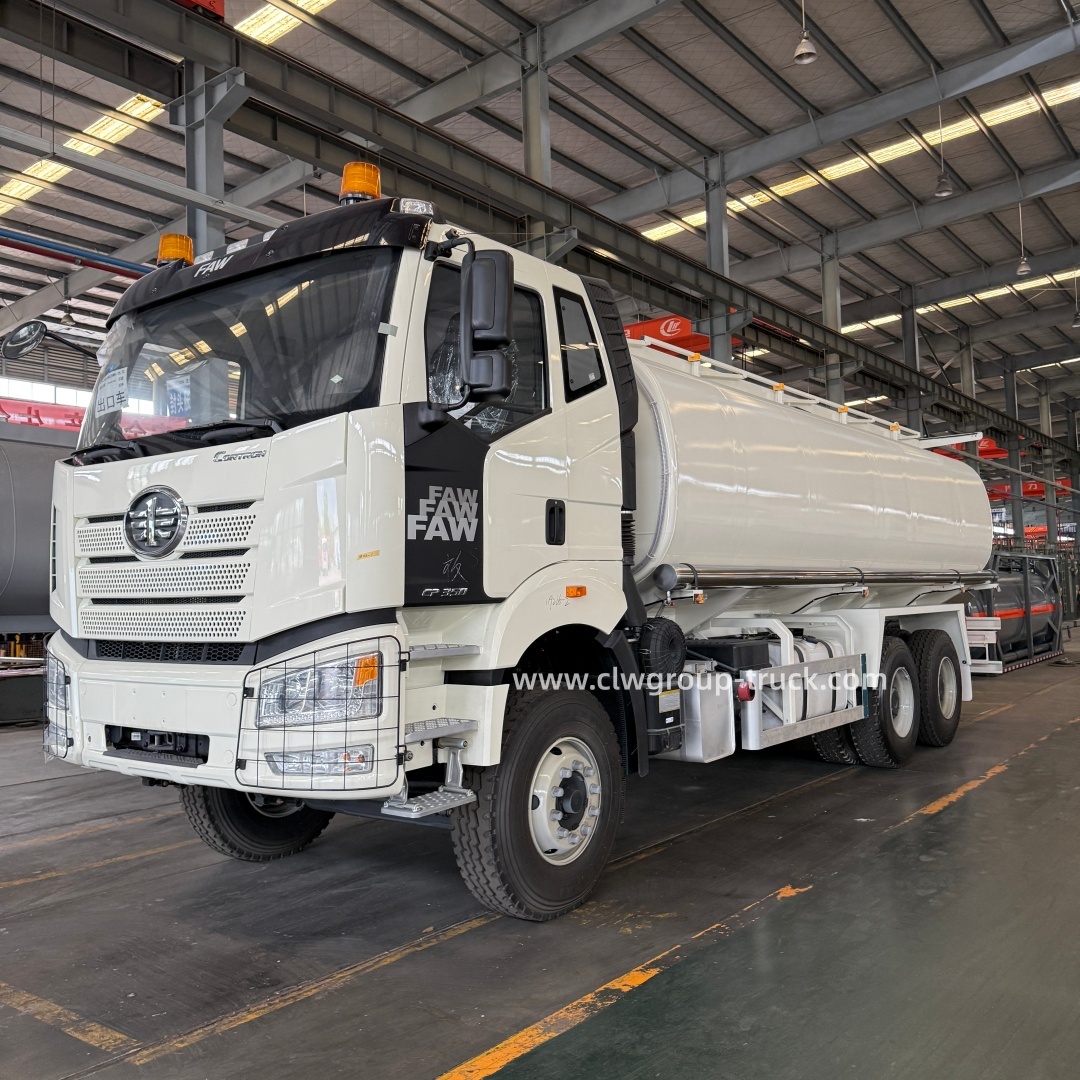
Fuel trucks can be equipped with measuring tools such as pumps, fuel dispensers, and flow meters to become refueling trucks. Aviation refueling trucks have also emerged as a new product in recent years and are favored by customers in Southeast Asia, Central Asia, Australia, Africa, and other countries.
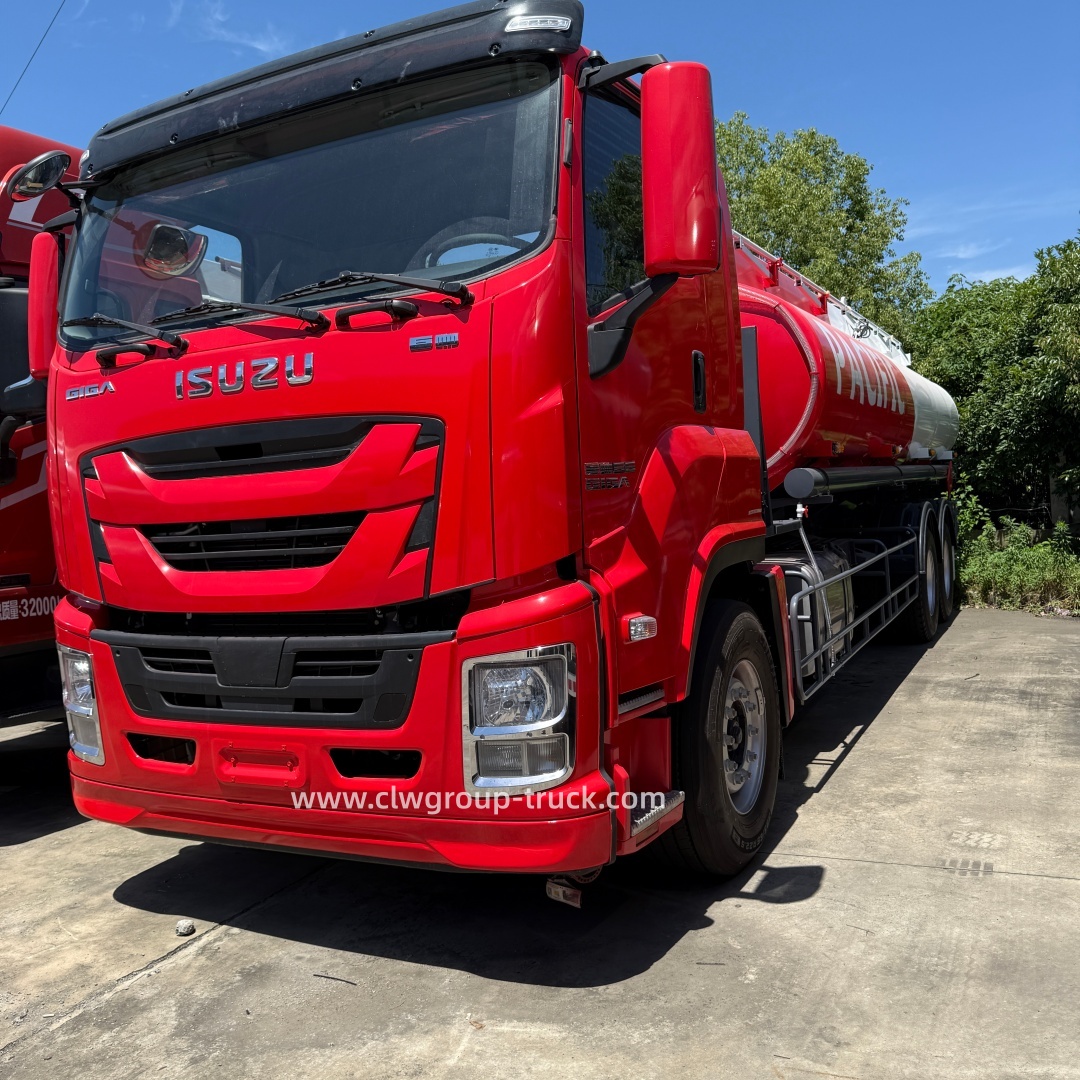
What is the fuel tank structure of a mobile refueling truck?
According to the load capacity, it can be divided into light tank trucks, small tank trucks, medium tank trucks, medium to large tank trucks, and large tank trucks. The fuel tank structure of a mobile refueling truck is an elliptical cylindrical or trapezoidal cylindrical body, made of high-quality steel plates. The entire tank body is divided into single or multiple compartments, and the compartments can be divided into chambers. The lower end of the middle partition has a through hole, and each compartment is welded with a compartment or multiple compartments in the middle. The compartments can be divided into chambers, and the lower end of the middle partition has a through hole. Each compartment is welded with a compartment strengthening wave partition in the middle to reduce the impact of oil in the tank body during vehicle driving and improve the rigidity of the tank body.
Mobile fuel trucks need to be equipped with fuel storage tanks, fuel dispensers, oil pumps, piping systems, safety protection equipment, and fire-fighting equipment to ensure efficient and safe operations. fuel storage tanks are usually made of high-strength steel, and the inner walls are specially treated to prevent fuel from corroding the tank body. In addition, a liquid level gauge will be installed on the tank to facilitate real-time monitoring of oil levels and avoid situations of insufficient or overflowing oil. Ordinary fuel tanker trucks usually have basic settings such as anti wave boards, fire extinguishers, anti-static reels, etc. They can also be equipped with emergency buttons and bottom valves according to customer requirements
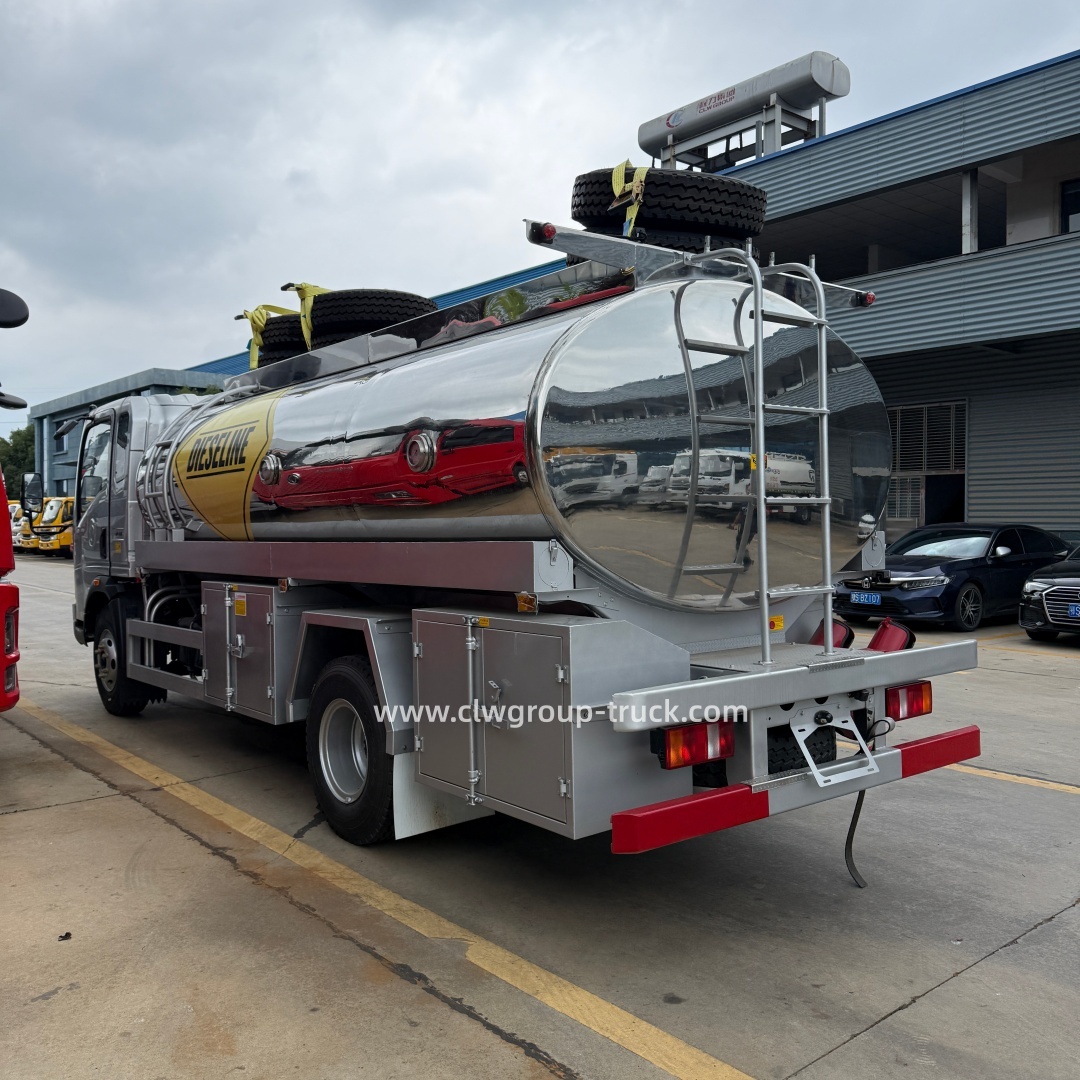
How do aircraft refueling trucks refuel?
1. Roll up refueling - After filtering and measuring the fuel in the tank of this vehicle, it is injected into the aircraft fuel tank or other oil receiving equipment through the gravity refueling gun of the roll up hose in the control room.
2. Pump oil filtration - The fuel in the vehicle's oil tank or external pipeline is filtered and returned to the vehicle's oil tank or other oil receiving equipment through the pump outlet joint, achieving the function of circulating filtration.
3. Fuel tank loading - Use a joint valve to connect the pipeline to the bottom of the fuel tank for oil loading, or use this fuel pump to achieve oil pumping function.
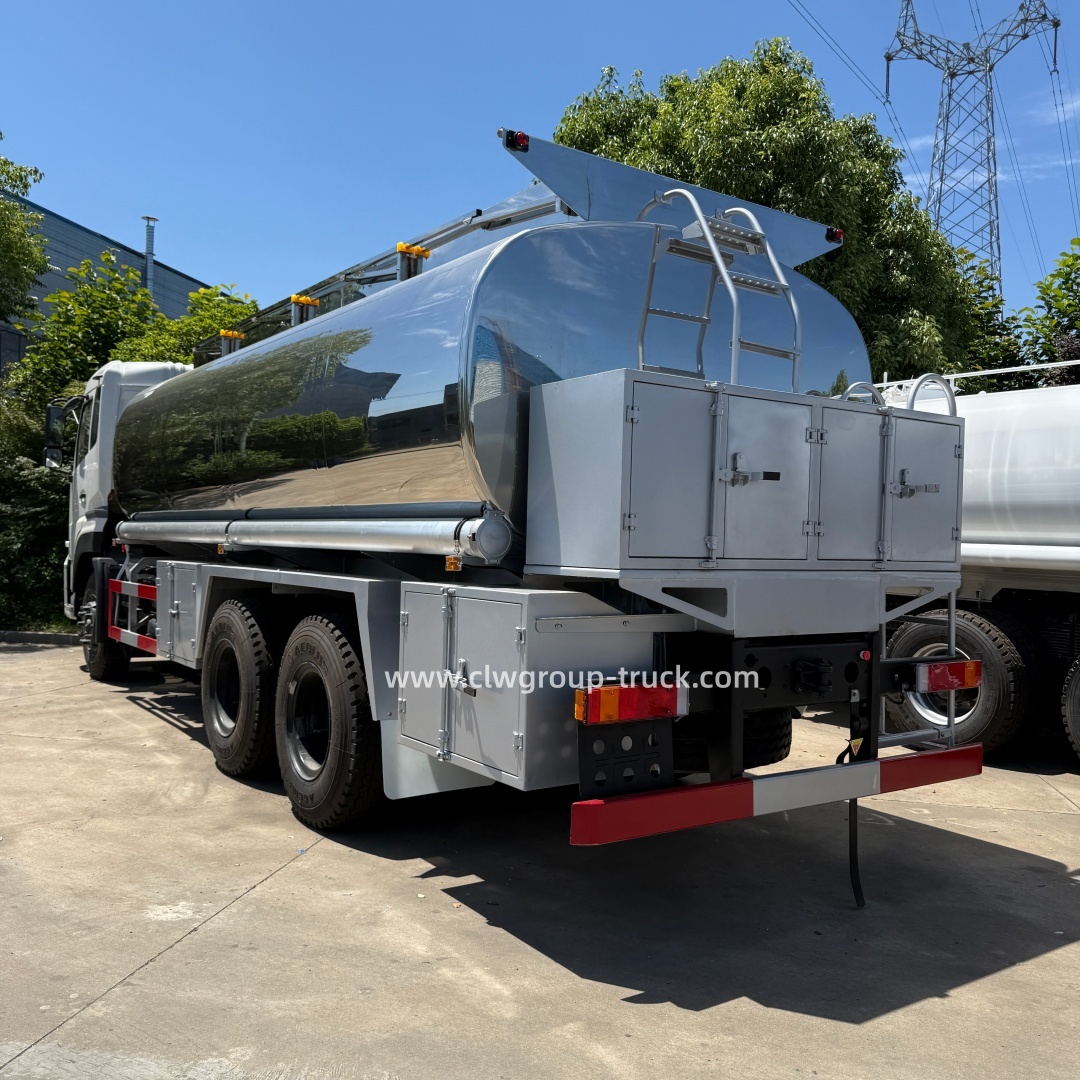
When customers have higher requirements for the surface of aluminum alloy oil vehicles, we can recommend mirror aluminum alloy fuel vehicles. By surface treatment methods, the surface of aluminum alloy is made smoother and smoother, which not only looks beautiful but also helps to improve its wear resistance and corrosion resistance.
Polishing is a surface treatment method that improves surface smoothness through friction and abrasive particles generated during friction. For aluminum alloy oil vehicles, polishing can not only remove surface defects, but also create a surface with a mirror like luster.
How to customize and produce a suitable fuel tanker truck
fuel tank trucks are composed of chassis price, modification price, and optional price. Due to different chassis, engines, national emission standards, tank capacity, and accessory requirements, various factors make up the price of oil tank trucks. The volume of fuel tank trucks usually includes different specifications such as 5 cubic meters (4 tons), 10 cubic meters (8 tons), 15 cubic meters (12.5 tons), 20 to 25 cubic meters (16.5 to 21 tons), and 30 cubic meters (25 tons), and the price will vary depending on the brand and configuration. The geometric dimensions of an oil tank depend on its volume, and the larger the volume, the larger the size. When customers choose, they first need to determine how much volume of oil tank they need, what brand of chassis and other accessory requirements to choose, and effectively communicate with our salesperson Tel/WeChat/WhatsApp: 0086 19888382017 to select the appropriate vehicle model. Welcome customers to conduct on-site inspections to gain a detailed understanding of the scale, credit status, production process delivery capabilities, and after-sales service system of fuel tanker manufacturers.

